

This process takes a material that barely conducts electricity and turns it into something useful, by adding foreign atoms at concentrations as low as one for every hundred million. In a chip fab, that means injecting boron or phosphorus atoms into pure silicon. The word for this is the exact same word officials use when an Olympic skater fails a drug test, and the exact same word an engineer uses when building the transistor in your phone. In electronics, a material that's had this treatment is no longer called "pure." It gets a new label: extrinsic. The heavier the dose, the more the material starts acting like a plain conductor instead of a semiconductor.
Name the process.
CLUES:
The word traces back to a 19th century Dutch term for a thick, syrupy sauce, which later drifted toward opium.
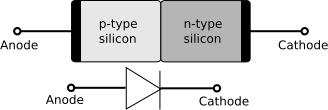
Depending on whether those foreign atoms bring an extra electron or leave one missing, the result is labeled with a single letter, n or p; put an n-type and a p-type region next to each other and you get a diode.
SPOILER ALERT: ANSWER BELOW
Answer: Doping
Etymology: The word "dope" comes from the Dutch word doop, which means "sauce" or "dipping liquid". Over time, Dutch settlers in early America used doop to mean thick sauces, gravies, or sweet syrups, which eventually evolved into the modern English word "dope" and its various historical and slang meanings.